Talimali Band the Apalachee Indians of Louisiana
HISTORY of the apalachee indians
History of the Apalachee Indians
Who Were the Apalachee Indians?
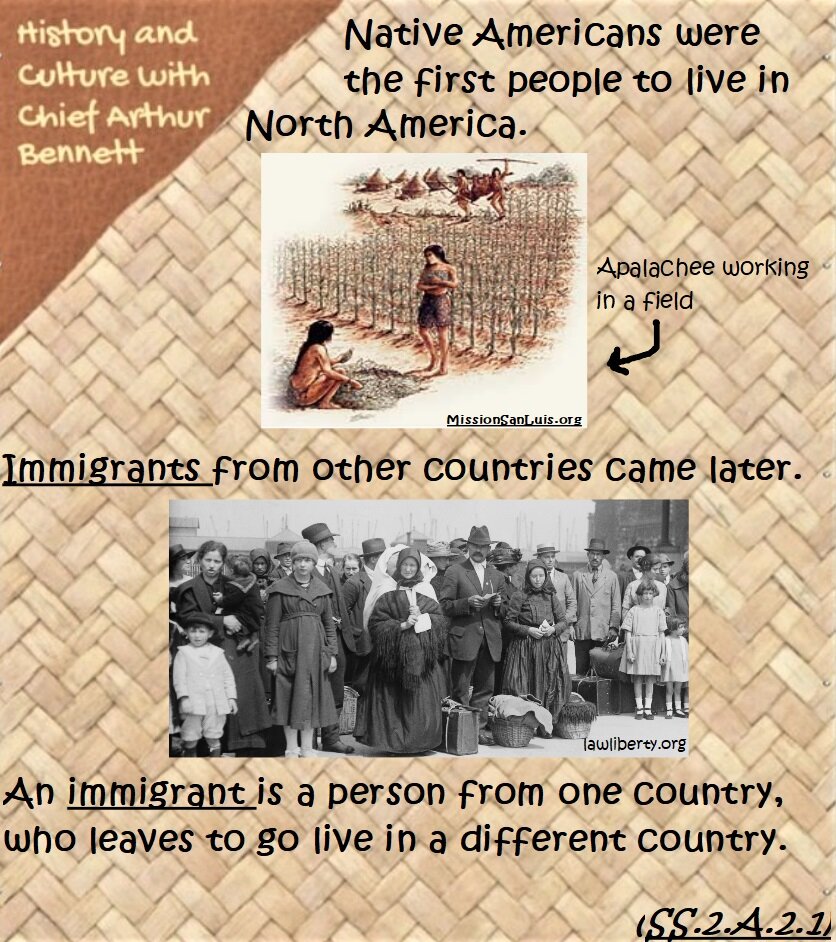
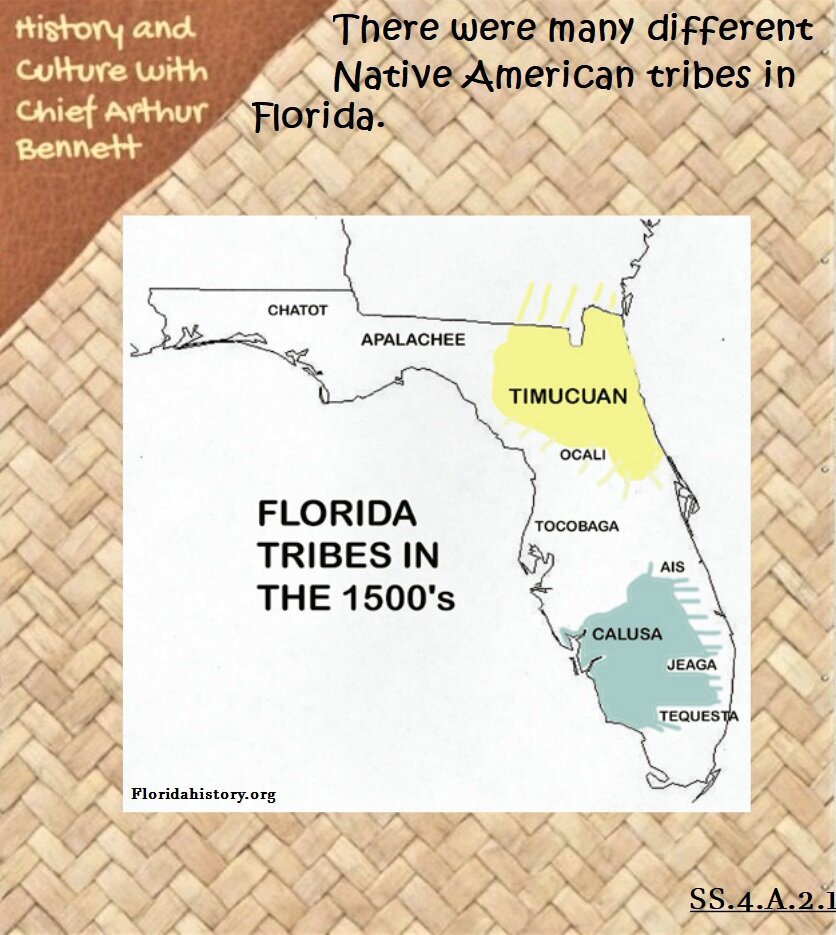
The Apalachee Indians were a historic Native American people of the southeastern United States. The Apalachee Indians originally lived in what is now northern Florida and southern Georgia, particularly in the region surrounding present-day Tallahassee. Known for their agricultural skill, complex social structure, and strong ceremonial traditions, the Apalachee Indians were among the most organized and influential tribal groups in the Southeast prior to European contact.
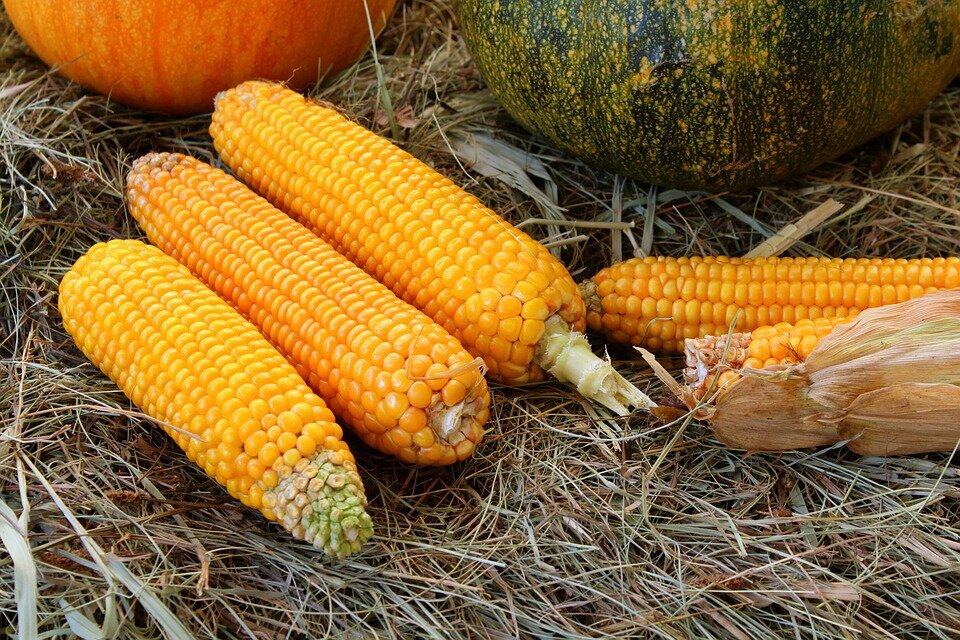
The Apalachee Indians were part of the broader Muskogean cultural and linguistic world. Their communities were centered around large council houses, farming villages, and ceremonial grounds. Corn agriculture formed the foundation of Apalachee society, supporting stable settlements and allowing for political and ceremonial leadership structures to develop.
Where Did the Apalachee Indians Live?
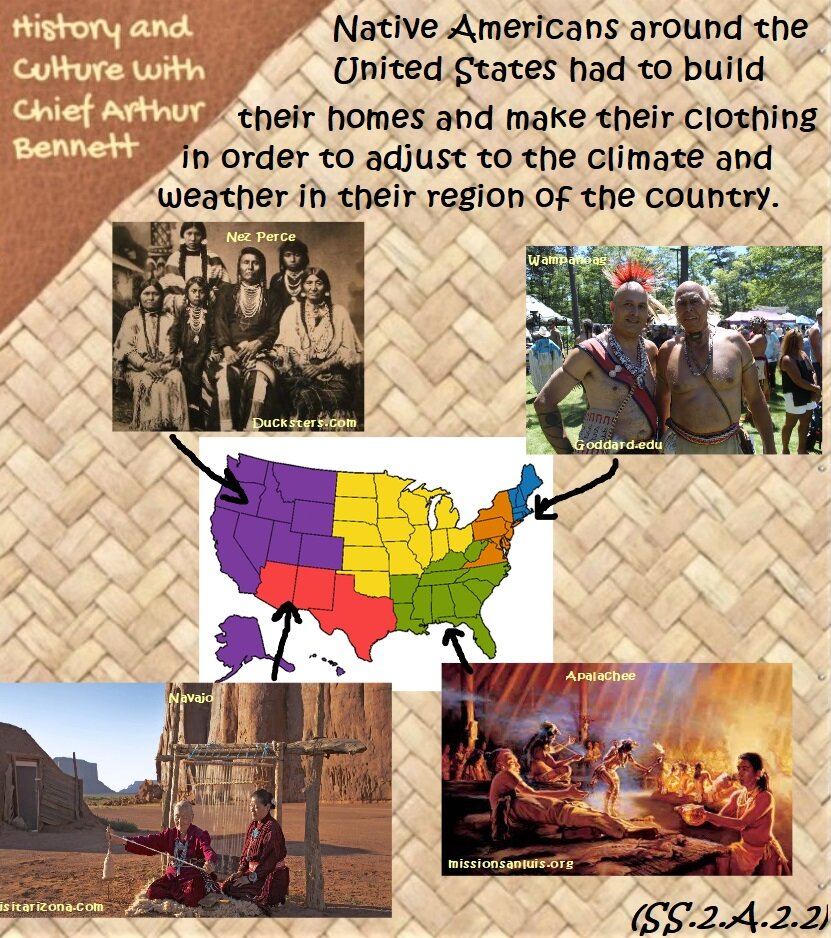
The traditional homeland of the Apalachee Indians was in the Florida Panhandle and surrounding areas. This region provided fertile soil, forests, rivers, and abundant wildlife. The Apalachee Indians built villages near waterways and cultivated crops such as corn, beans, and squash.
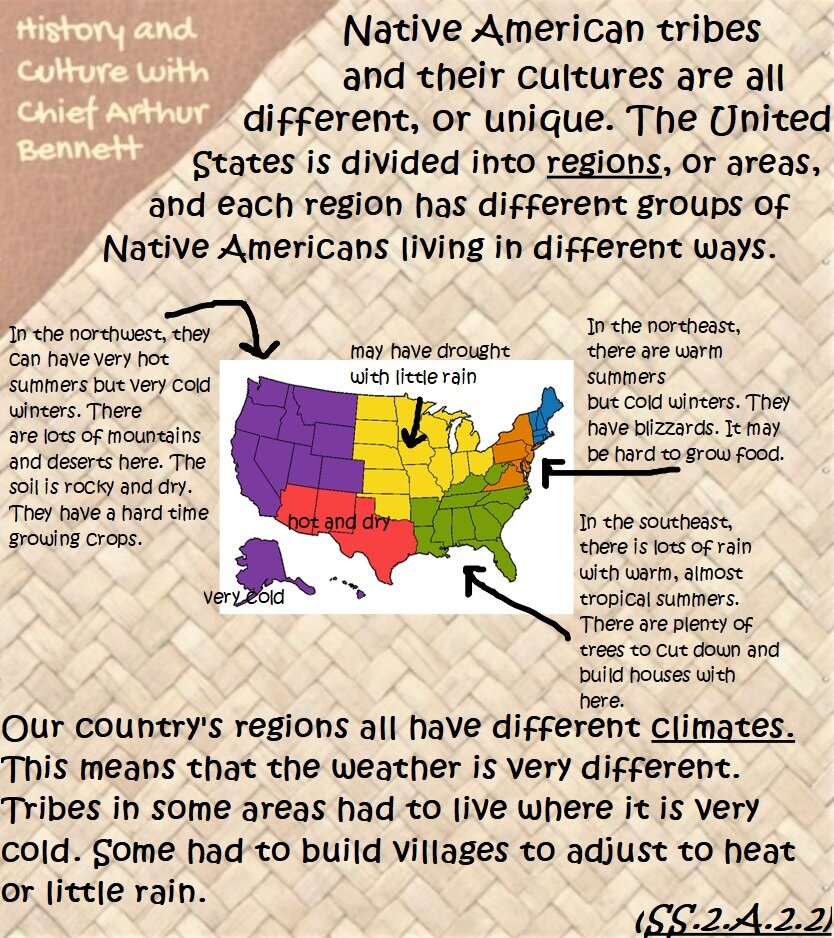
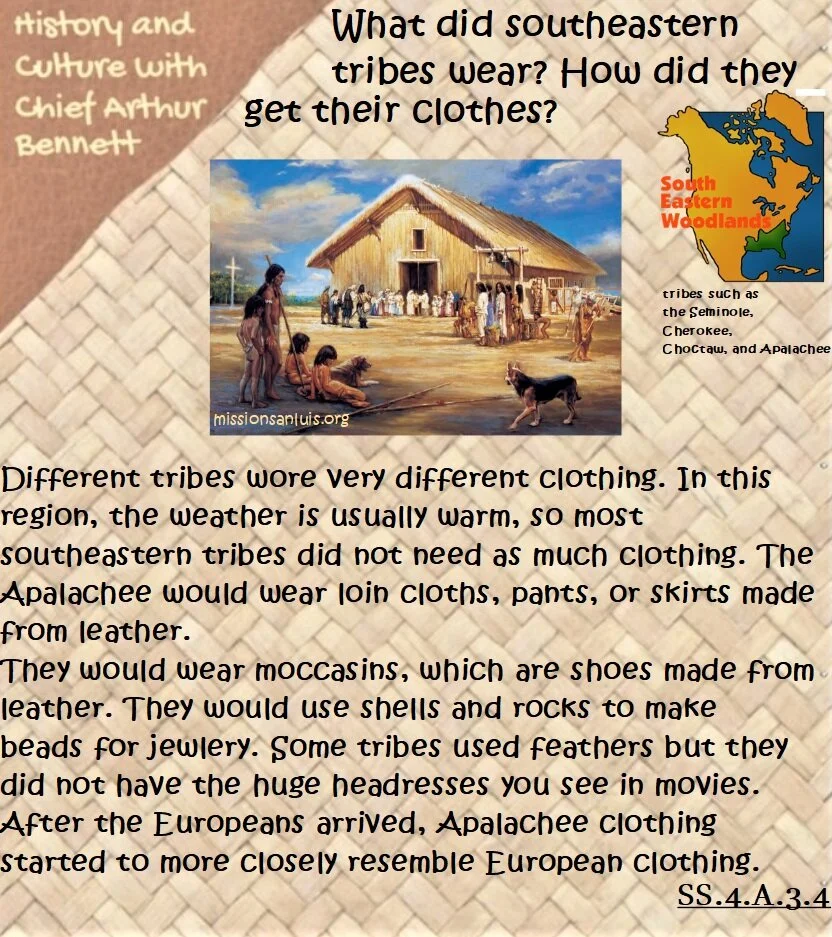
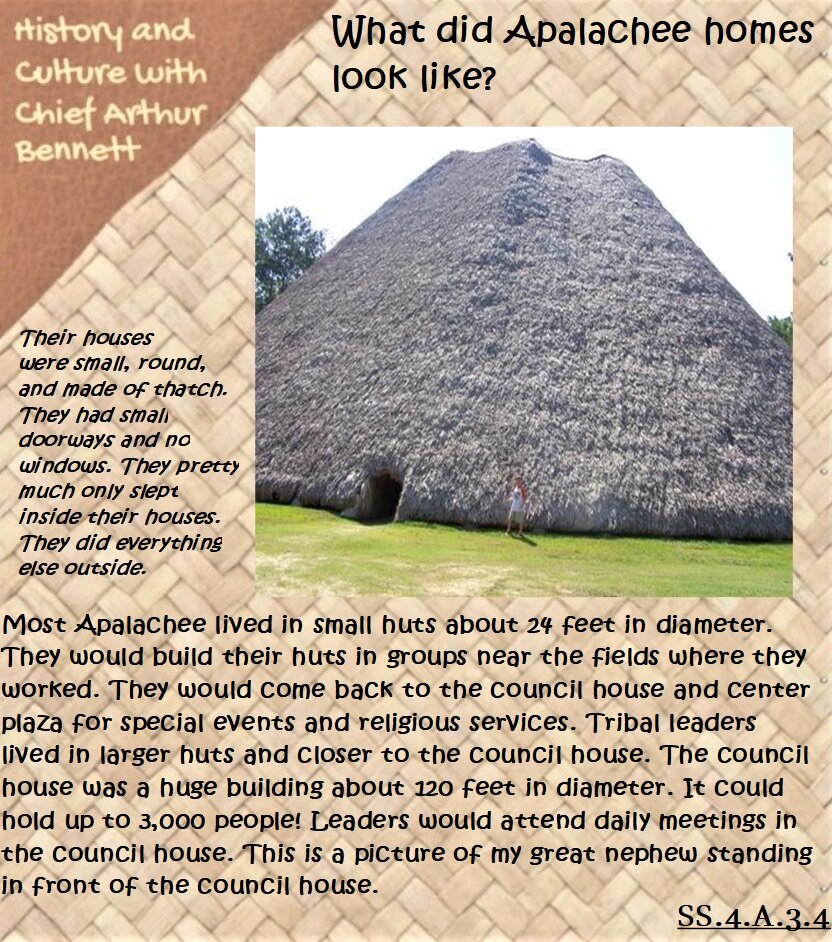
Their environment shaped their way of life. The warm climate influenced clothing, housing styles, and food preparation methods. The Apalachee Indians constructed round or rectangular houses made from wood and thatch, and central council houses served as important places of governance and ceremony.
Culture and Daily Life of the Apalachee Indians
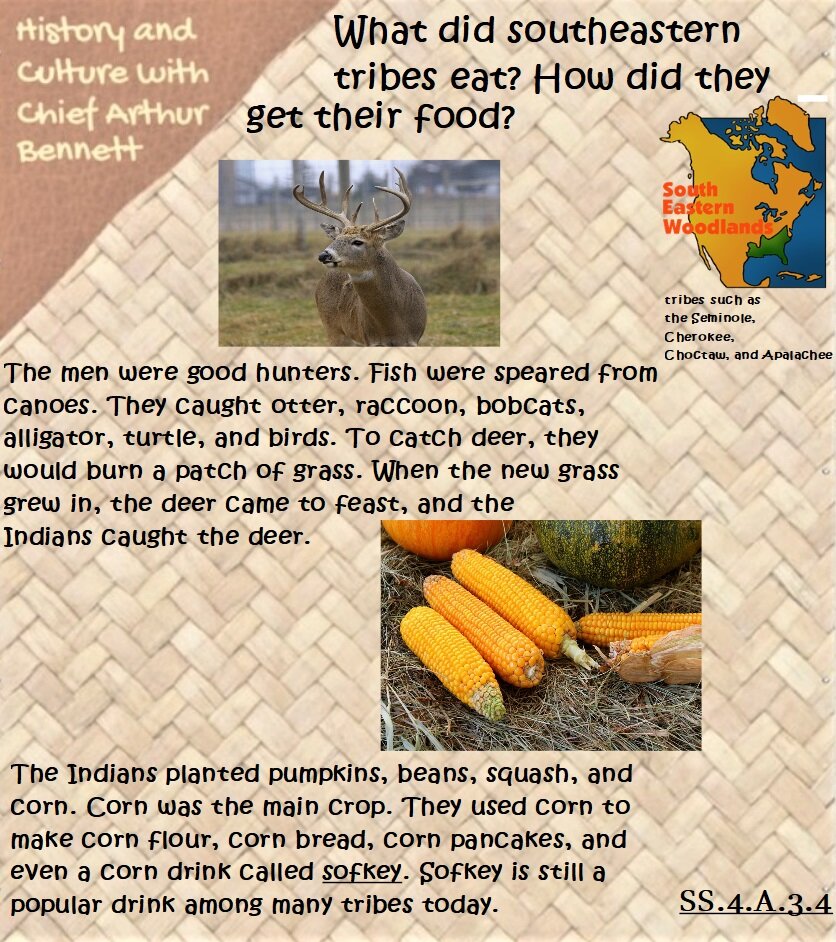
Daily life among the Apalachee Indians revolved around agriculture, hunting, fishing, and community responsibilities. Men often hunted deer and small game, while women cultivated crops and managed food preparation. The Apalachee Indians also created tools, pottery, woven materials, and decorative items using natural resources from their environment.
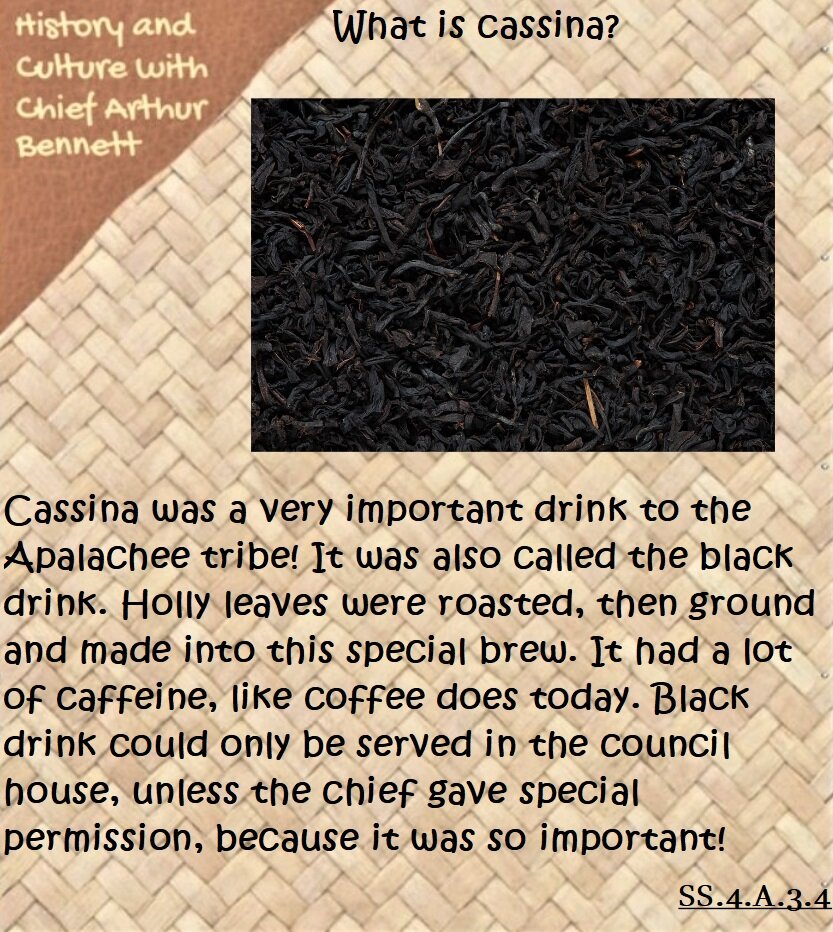
Ceremony and community were central to Apalachee culture. Council houses were large structures where leaders gathered, rituals were performed, and important decisions were made. Traditional foods, including corn-based dishes and ceremonial drinks, were significant parts of cultural life among the Apalachee Indians.
Spanish Contact and the Colonial Period
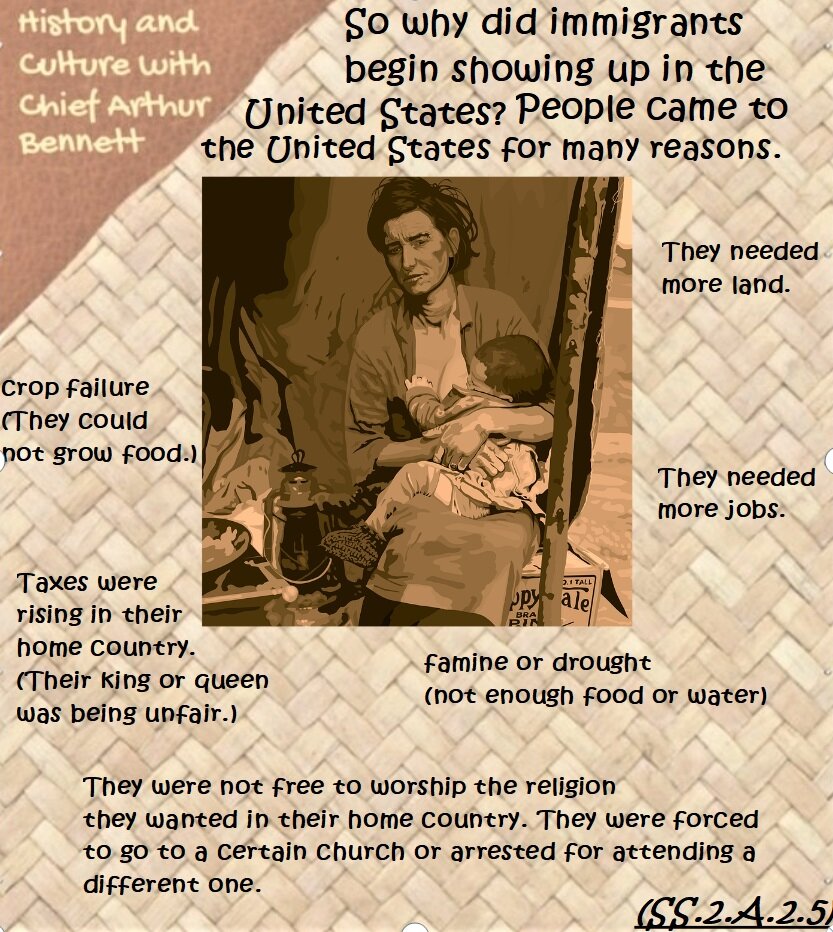
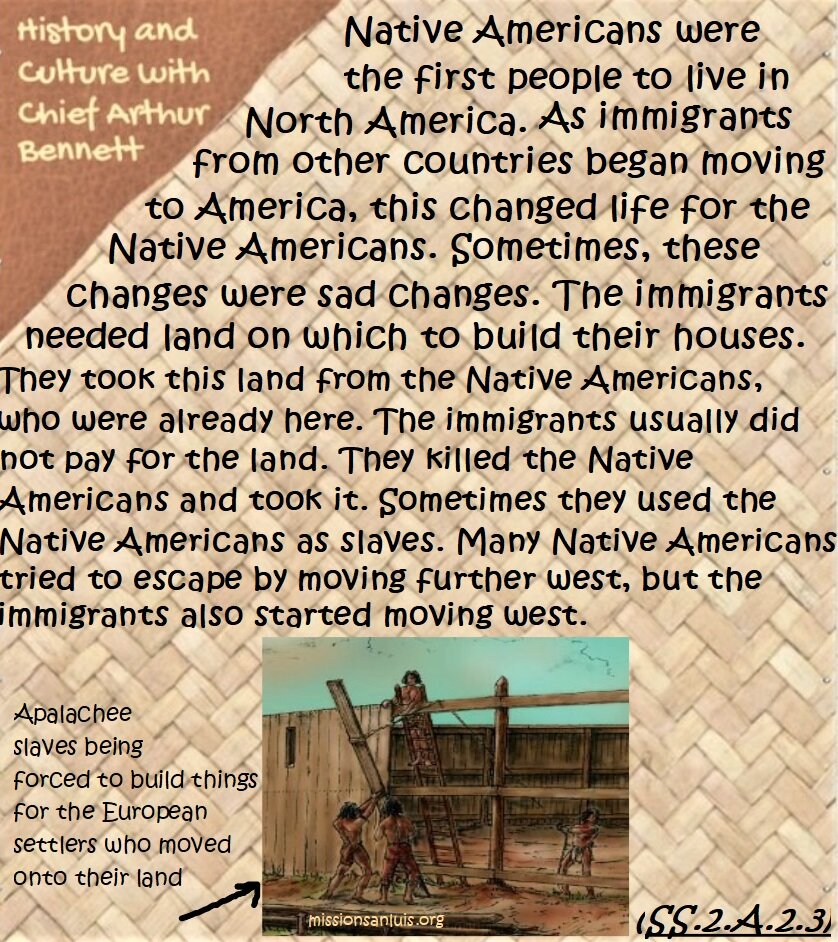
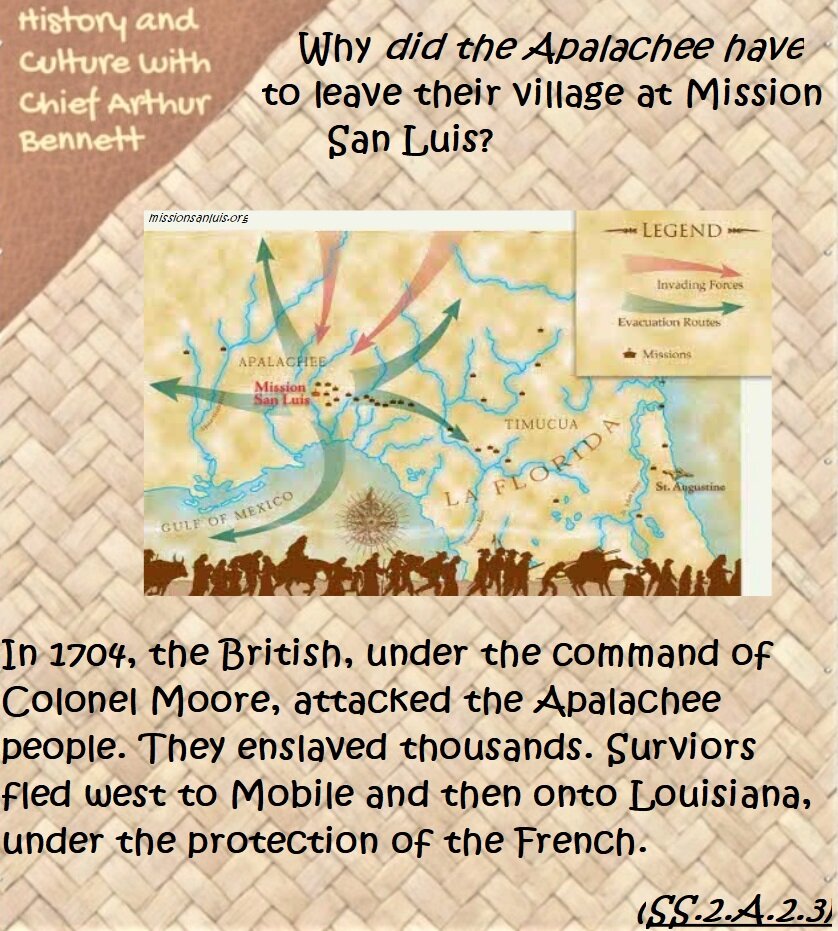
The Apalachee Indians encountered Spanish explorers in the 16th century. Spanish missions were later established in Apalachee territory, and the region became an important colonial area. This period brought major changes to the Apalachee Indians, including religious pressure, conflict, and population decline due to disease and warfare.
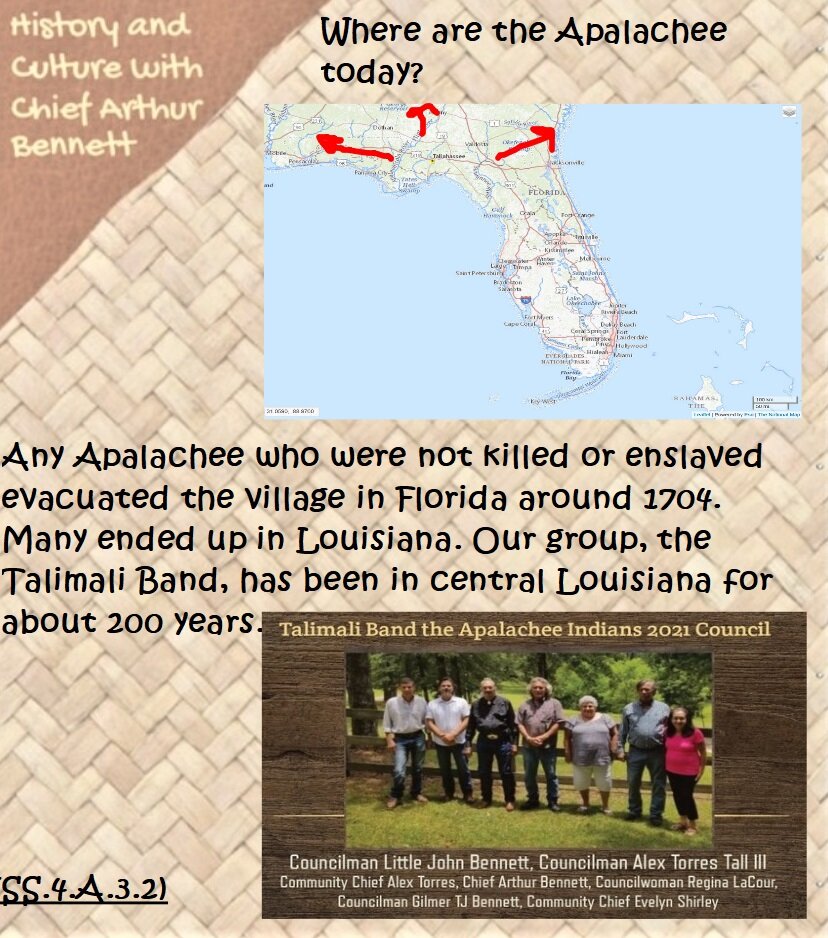
Despite these hardships, the Apalachee Indians demonstrated resilience. Some communities were displaced westward toward Louisiana, while others remained in Florida or were absorbed into neighboring tribal groups. The colonial period dramatically altered the political and geographic landscape of the Apalachee people, but their identity endured.
Modern Apalachee Indian Heritage
The history of the Apalachee Indians did not end in the colonial era. Descendants of the Apalachee Indians continued to preserve cultural memory, family lineage, and historical identity across generations. Today, the heritage of the Apalachee Indians remains an important part of southeastern Native American history.
The Talimali Band of the Apalachee Indians of Louisiana represents a continuation of Apalachee heritage through cultural preservation, education, and historical documentation. Efforts to share the history of the Apalachee Indians help ensure that their legacy remains visible and understood within the broader history of the Southeast.
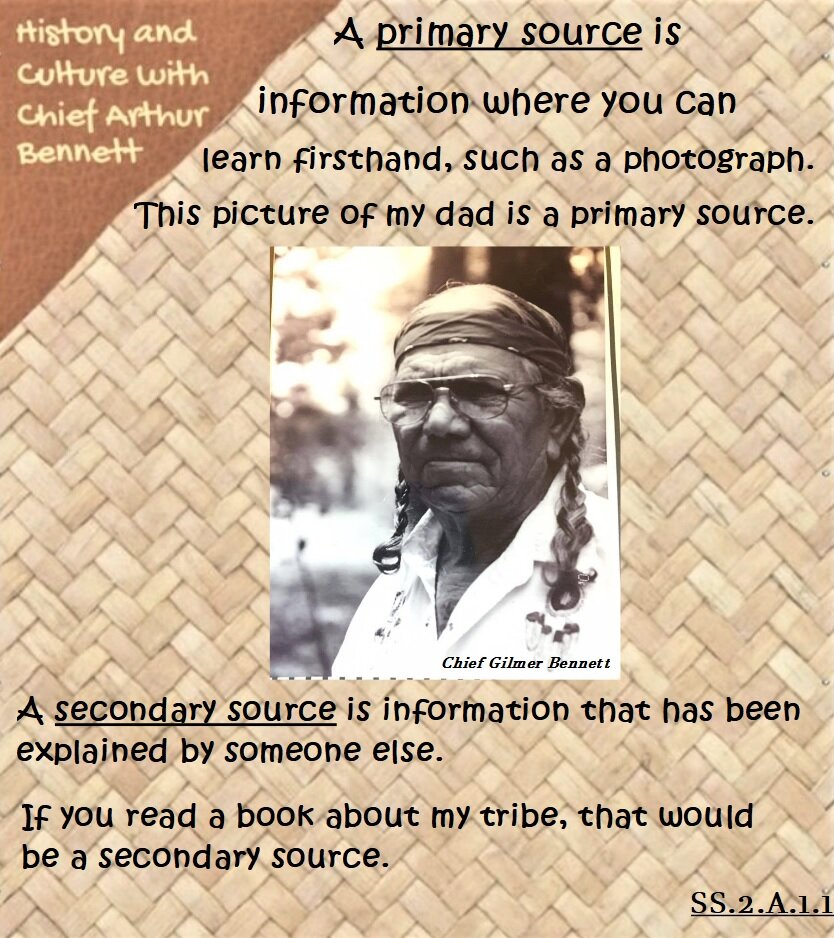
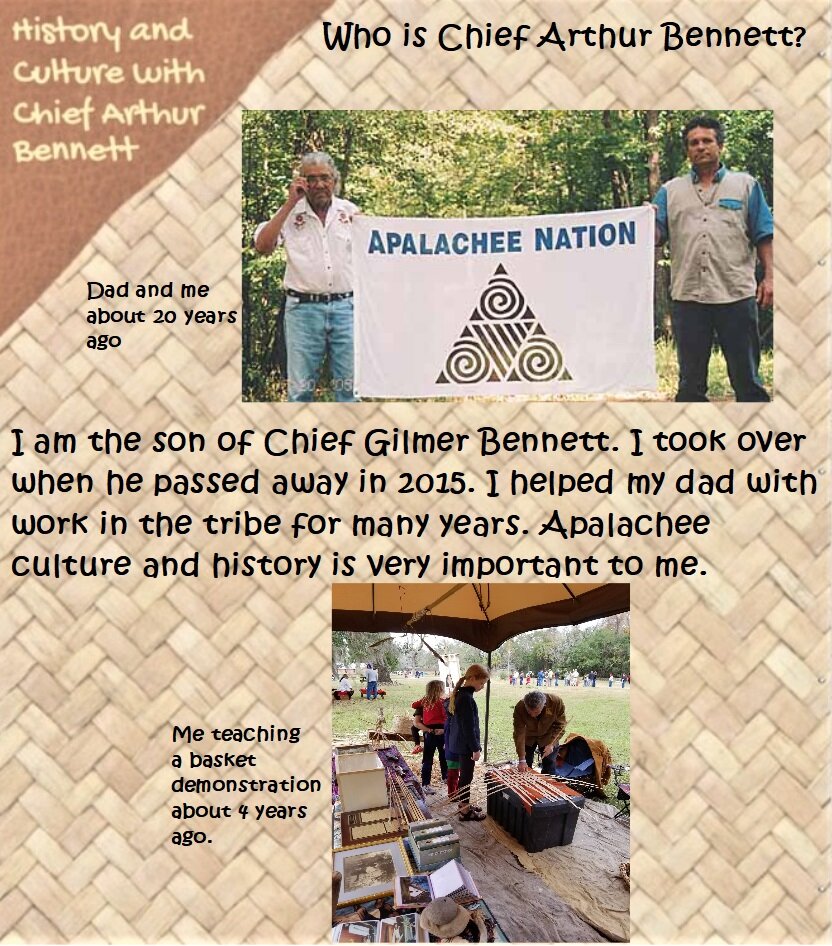
The Talimali Band of the Apalachee Indians of Louisiana, led by Chief Gilmer Bennett and continued by his successor, Arthur Bennett, is the historic tribal community long established in Pineville, Louisiana. This organization represents the original group associated with Chief Bennett’s leadership and has remained based in Pineville as part of its documented history and continuity. The tribe has active and respected clans in other areas of Louisiana as well, led by the community chiefs and councilmen and women featured on our home page.
To learn more about the Apalachee Indians today and the leadership of the Talimali Band in Pineville, Louisiana, visit our Apalachee Indians Today page.
The Apalachee ball game
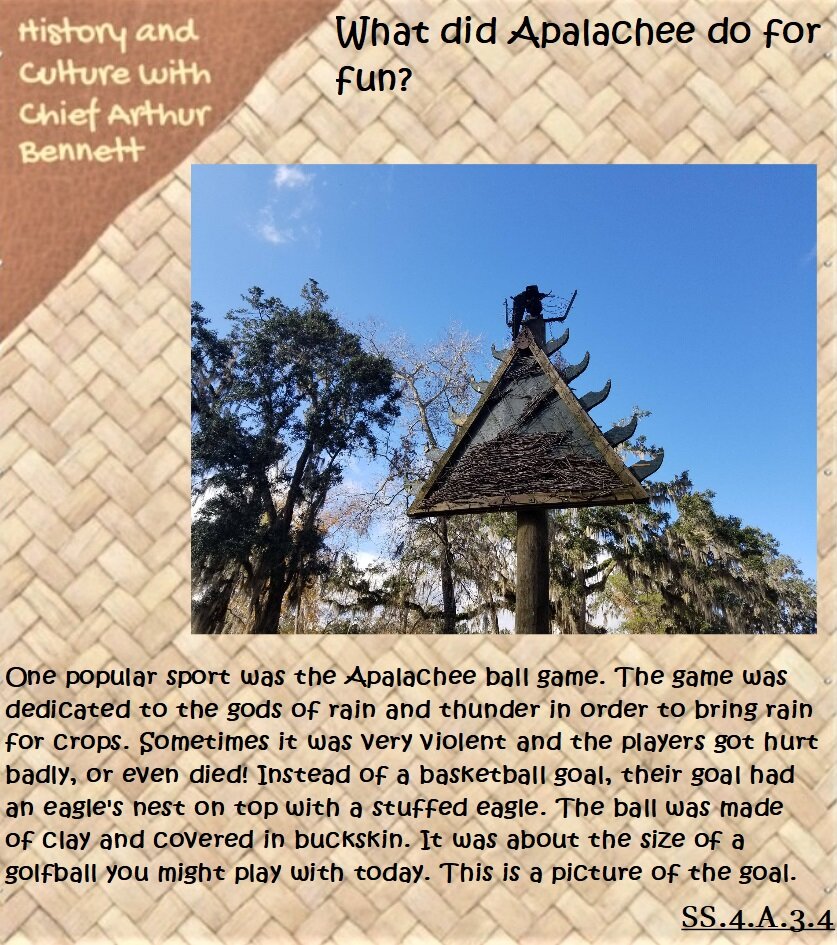
Sometimes known as the "Apalachee ball game", described in detail by Spaniards in the 17th century. No indigenous name for the game has been preserved. The Spanish referred to it as el juego de la pelota, "the ballgame." The game involved kicking a small, hard ball against a single goal post. The same game was also played by the western Timucua, and was as significant among them as it was among the Apalachee. A related but distinct game was played by the eastern Timucua; René Goulaine de Laudonnière recorded seeing this played by the Saturiwa of what is now Jacksonville, Florida in 1564. Goal posts similar to those used by the Apalachee were also seen in the Coosa chiefdom of present-day in Alabama during the 16th century, suggesting that similar ball games were played across much of the region.
A village would challenge another village to a game, and the two villages would then negotiate a day and place for the match. After the Spanish missions were established, the games usually took place on a Sunday afternoon, from about noon until dark. The two teams kicked a small ball (not much bigger than a musket ball), made by wrapping buckskin around dried mud, trying to hit the goalpost. The single goal post was triangular, flat, and taller than it was wide, on a long post. There were snail shells, a nest and a stuffed eagle on top of the goalpost. Benches, and sometimes arbors to shade them, were placed at the edges of the field for the two teams. Spectators gambled heavily on the games. As the Apalachee did not normally use money, their bets were made with personal goods.
Each team consisted of 40 to 50 men. The best players were highly prized, and villages gave them houses, planted their fields for them, and overlooked their misdeeds in an effort to keep such players on their teams. Players scored one point if they hit the goalpost with the ball, and two points if the ball landed in the nest. Eleven points won the game. Play was rough: players would pile on fallen players, walk on them, kick them, including in the face, pull on arms and legs and stuff dirt in each other's mouths. Players were told to die before letting go of the ball. They would try to hide the ball in their mouths; other players would choke them or kick them in the stomach to force the ball out. Arms and legs were broken. Players laid out on the ground would be revived by a bucket of cold water. There were occasional deaths.